
Photo & Video
From the idea to the final cut, with someone running it who isn't holding the camera.
What happens before the camera comes out
Booking a photographer is the easy part. What takes the time is everything around it: deciding what you're actually trying to capture, finding the right people, locking a location, scheduling around a business that still has to run that day, and making sure what comes back is usable.
Then the footage lands in an editor's hands and half of it doesn't work, because nobody was thinking about the edit while it was being shot.
Most businesses learn this the expensive way, once.
What We’re Making
Photos and video that tell a story about your brand, your cause, or the reason someone should act. The goal is a library you can use everywhere: your website, your ads, your social, your print, your pitch deck.
That's the difference between a shoot and a set of photos. A shoot that's planned properly knows in advance where the assets need to work, so you end up with verticals for social and horizontals for the site, close-ups of what you make and wide shots of where you make it, and enough range that you're not back here in four months because nothing fits.
Whether that's a product, a space, a team, or the work itself, the planning is the same
One Piece Or The Whole Thing
Some clients have the concept and the crew and just need someone running the day. Some want me from the first conversation through the final file. Both work.
Before
Deciding what the shoot needs to produce and why. Shot lists. Sourcing and booking the photographer, videographer, stylist, or whoever else it takes. Locations, permits, schedule, and the logistics of shooting around your actual business. By the time we shoot, everyone knows what we're making and why.
During
I'm there as your producer, talking to the crew so you're not, keeping us on schedule, and watching the details nobody catches until it's too late: what's in the background, whether the light moved, whether we've got the shot we came for. I'm also the person making your people feel comfortable on camera, which matters more than most of the technical decisions. Someone at ease on the day is the difference between usable footage and a long afternoon.
After
Managing the editor through post, running the review rounds, and getting you the final files organized so you can find things later. You see the work at the points where your opinion matters. I handle the rest. Most clients are surprised how little of this lands on them.
What this Usually Includes
Concept development and shot lists
Sourcing and booking photographers, videographers, and crew
Location scouting and scheduling
Vendor coordination and day-of logistics
On-site producing and client representation
Talent direction and on-camera coaching
Managing editors and freelancers through post
Review rounds and revisions
Final file delivery and asset organization
Why me
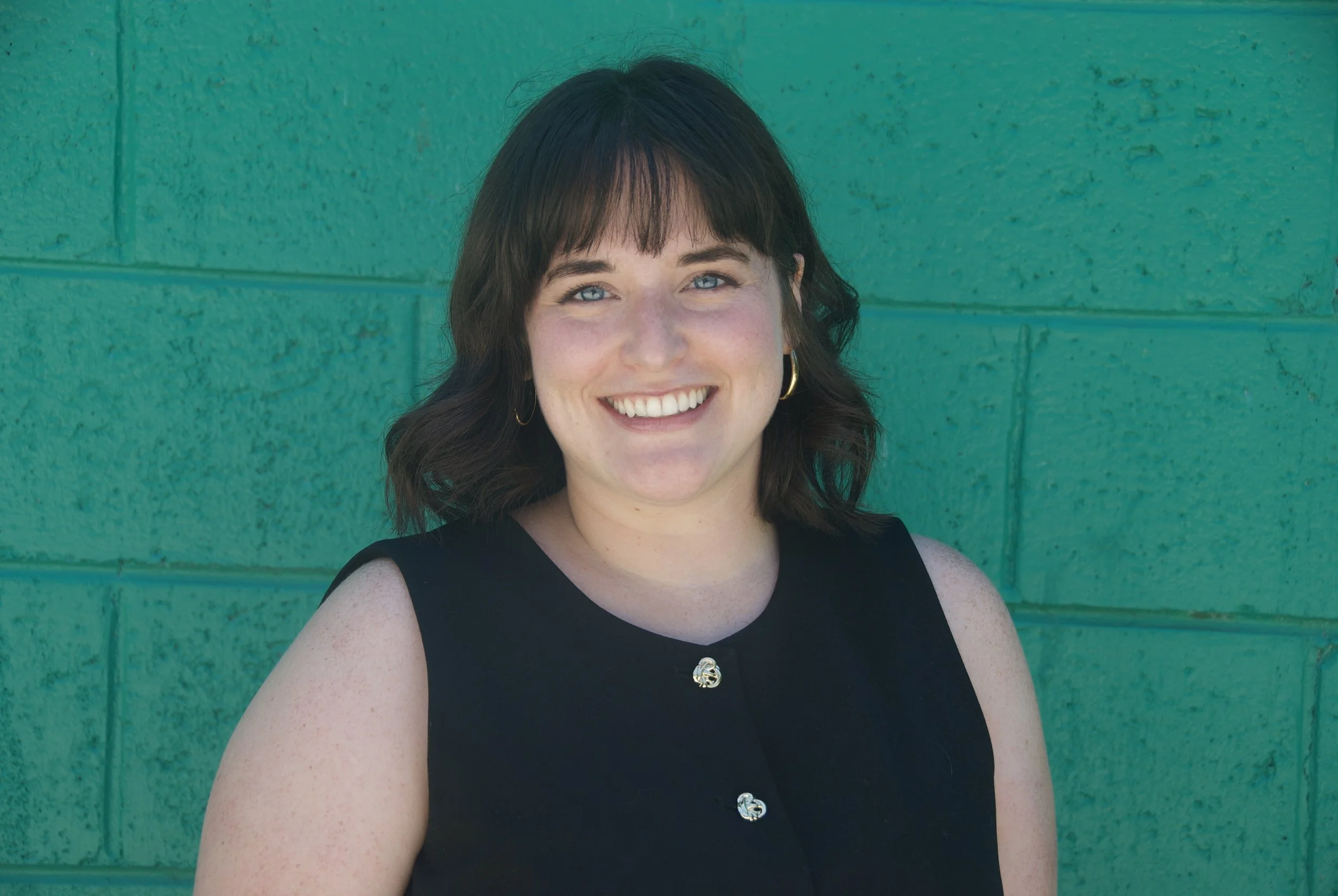
Photo and video shoots were a regular part of my client work during three and a half years at a marketing and PR agency. I coordinated them end to end and spent a lot of days on set as the client's representative, which is a specific job: you're translating between a business owner who knows what they want and a crew who needs it in terms they can shoot.
Here's the pattern I keep seeing. Not enough gets decided before the shoot day, so the weight lands on the photographer or videographer to figure it out on the fly, and then again in post when they're trying to assemble something out of footage that was never planned toward anything. That's how a shoot turns chaotic, and it's usually why the result feels close but not right.
It doesn't have to go that way. My job is getting the pieces in place ahead of time and getting everyone aligned on the vision before we start, so the day is efficient and we leave with the shots we actually came for.
It also helps that I'm married to a videographer. I still work shoots with him regularly, guiding talent and keeping an eye on what's getting captured, and I'm always learning something new from him about the side of this work most clients never see: what makes footage easy to cut, what makes it impossible, and how much of that gets decided before anyone shows up on the day.
That's the job I'm doing while you're doing yours.
What Comes Next
Brand First
If you're not sure yet what the photos are supposed to say, that's a brand question rather than a shoot question. Worth answering before anyone books a crew.
Ready to tell your story properly?
Tell me what you're trying to capture and where you are in the process. Whether that's a fully built concept or a vague sense that your photos are five years old, we'll figure out what it takes.